
What PSI Should Your Car Tyres Be? A Tyre Pressure Guide For Central Coast Drivers
Budget Tyre Shed • October 15, 2026
What should my tyre pressure be? For most cars, the right PSI is the figure on your vehicle's tyre placard, usually on the driver's door jamb, not the number moulded into the tyre's sidewall. Passenger cars typically sit in the low-to-mid 30s, but the figure changes with the vehicle, tyre size and load.
At Budget Tyre Shed in Charmhaven, we supply and fit tyres Central Coast drivers rely on and check pressures every day. Getting this one number right is the cheapest way to protect your grip, fuel bill and tread life.
What PSI Should Your Car Tyres Be? Start With Your Tyre Placard
Your tyre placard lists the manufacturer's recommended pressures for your exact vehicle. Most placards sit on the driver's door jamb, though some go inside the fuel flap or glovebox lid. Your owner's manual lists the same figures.
Most placards show separate front and rear pressures in kPa and PSI, plus a higher figure for a fully loaded vehicle. Some list different pressures for different tyre sizes, so match the figure to the size on your tyres.
The sidewall number is the maximum pressure the tyre can safely hold, not a target. Running a family hatchback at that figure gives you a harsh ride and less rubber on the road.
If you've fitted a different tyre size or light truck (LT) tyres, the placard may no longer apply. Pressure works hand in hand with the tyre's specs, which we cover in our guide to tyre sizes and
load and speed ratings. If you're unsure, ask your tyre fitter.
How to Check Tyre Pressure the Right Way (and Why Cold Readings Matter)
Placard figures are cold pressures. Driving heats your tyres and expands the air inside, so a tyre checked after a run down the M1 reads higher than it really is. Let air out to match the placard while it's hot and you'll be under-inflated once it cools.
Here's how to check tyre pressure accurately:
- Check when the tyres are cold. First thing in the morning works best, or after the car has sat for a few hours. At a servo, use the closest one and check straight away.
- Use a reliable gauge. Servo machines vary, so a handheld gauge in the glovebox gives you consistent readings.
- Press the gauge on firmly. A hiss means it isn't sealed, so reseat it and read again.
- Adjust to your placard. Add air in short bursts or release a little, then recheck.
- Refit the valve cap and check every tyre. Include the spare, since a flat spare is no help on the Pacific Highway.
Industry best practice is to check your pressures at least monthly and before long drives. Tyres slowly lose air over time, so a car nobody has checked in months is almost certainly running low.
What PSI Should Car Tyres Be on a 4WD? Airing Down and Pumping Back Up
On the road, a 4WD runs its placard pressure like any other vehicle. Off-road, letting air out lengthens the tyre's footprint so it floats over soft sand and moulds around rocks and roots on bush tracks.
There's no single off-road number, because it depends on vehicle weight, tyre construction, load and terrain. Many 4WD owners start in the high teens to low 20s PSI for soft sand and adjust from there. Go too low and you risk rolling a tyre off the rim.
When you're aired down, drive slowly and avoid sharp turns or sudden braking. Carry a reliable gauge, a deflator and a compressor that suits your tyre size.
Pump back up before you hit the bitumen, even for a short drive home. A soft tyre at highway speed builds heat, damages the sidewall and makes the vehicle feel vague in corners.
If you regularly air down for sand or tracks around the Watagans, the tyre matters as much as the pressure. It's worth talking to us about the 4WD tyres Central Coast conditions suit best.
Loaded Utes, Trailers and Caravans: When to Use the Higher Load Figure
Use the higher laden figure on your placard whenever you're carrying a heavy load or towing. Extra weight makes the sidewall flex more and run hotter, and higher pressure keeps the tyre in shape.
On a ute, the rear tyres take most of the extra weight. Tow ball weight adds to that load, so check the tow vehicle's pressures as well as the trailer's. Trailers and caravans have their own recommended pressures, usually on the compliance plate or in the manufacturer's handbook.
Example: A landscaper in Tuggerah loads the ute with pavers on Monday but runs unladen pressures all week. By Friday, the rear tyres feel squirmy in roundabouts and the shoulders are wearing fast. Switching to the laden figure on loaded days, then dropping back when the tray is empty, fixes the handling and evens out the wear.
Signs Your Tyre Pressure Is Costing You Grip, Fuel and Tread Life
Wrong pressure shows up in how the car drives and how the tread wears. Under-inflation is the more common problem, because tyres slowly lose air and most drivers don't notice.
Signs your tyres are under-inflated:
- Both shoulders of the tread wear faster than the centre.
- Steering feels heavy or slow to respond.
- Fuel use creeps up from extra rolling resistance.
- The tyre looks squat or bulges at the bottom.
Signs your tyres are over-inflated:
- The centre of the tread wears faster than the edges.
- The ride feels harsh over bumps.
- Grip drops in the wet, because less rubber touches the road.
If only one edge is wearing, pressure probably isn't the cause. Correct pressures won't fix uneven wear on their own, so you may need a wheel alignment if one edge is wearing faster.
Tyre Keeps Losing Air? Why It Needs a Professional Inspection
If one tyre keeps losing air while the others hold steady, something is letting it out. Common causes include a nail or screw in the tread, a damaged valve stem, a corroded rim or sidewall damage.
Topping it up hides the problem without fixing it. Each time the tyre runs low, the sidewall flexes harder and builds heat, which can damage the tyre beyond safe repair even when the puncture was small.
A proper inspection means taking the tyre off the rim and checking it from the inside, where some damage hides. Repairs are generally only possible in the main tread area, not the shoulder or sidewall.
If one tyre keeps dropping pressure, book in for puncture repairs Central Coast drivers trust before a slow leak becomes a flat.
Tyre Checks and Fitting on the Central Coast With Budget Tyre Shed
Budget Tyre Shed is a locally owned tyre shop Central Coast drivers can find in Charmhaven. We're a short drive for anyone after tyres Wyong or tyres Tuggerah way, and we handle new and used tyres, puncture repairs, wheel alignment and balancing.
Drop in and we'll check your tread, pressures and tyre condition, then tell you straight whether you need a repair, an alignment or new tyres.
In short: find your placard, check pressures cold once a month, use the laden figure when loaded or towing and pump back up after the beach. For honest advice on tyres Central Coast drivers can count on, call in to Budget Tyre Shed in Charmhaven.
Frequently Asked Questions
What should my tyre pressure be?
Your tyre pressure should match the figure on your vehicle's tyre placard, usually on the driver's door jamb. Ignore the number on the sidewall, which is the maximum the tyre can hold.
Should my front and rear tyres have the same pressure?
Not always. Many placards list different front and rear pressures, and utes and vans often need more at the rear when loaded.
How often should I check my tyre pressure?
According to industry best practice, check at least once a month and before any long trip or towing job. Always check when the tyres are cold and include the spare.
Does tyre pressure change with the weather?
Yes. Air contracts as temperatures drop, so pressures fall on cold mornings and as the seasons change. Recheck when the weather turns cooler.
Is it safe to drive on the beach at road pressure?
It's possible on firm sand, but you're far more likely to get bogged in soft sand. Most 4WD owners air down first, drive slowly and pump back up before leaving the beach.
Can a tyre that keeps losing air be repaired?
Often, if it's a small puncture in the main tread area. Sidewall or shoulder damage, or internal damage from running flat, usually means you need a new tyre. A fitter needs to inspect it off the rim to know for sure.
By Budget Tyre Shed
•
October 8, 2026
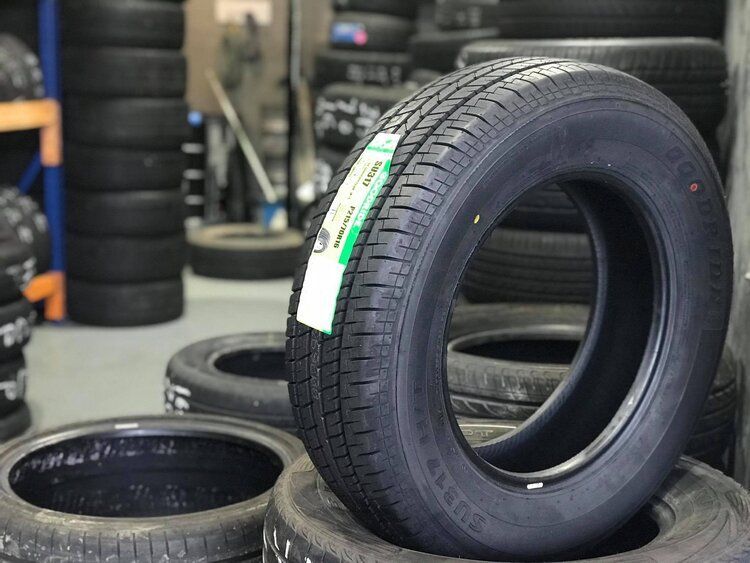
Learn how to read tyre sizes, load index, speed rating, manufacture date and tread markings with this practical tyre sidewall guide for drivers.
By Budget Tyre Shed
•
September 28, 2026
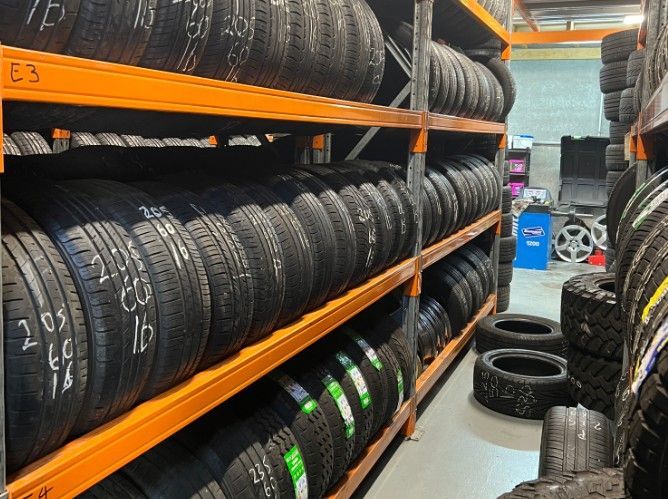
The legal tread depth in NSW is 1.5mm. Learn how to measure it, what to check on used tyres and where to find quality tyres on the Central Coast.
By Budget Tyre Shed
•
September 16, 2026
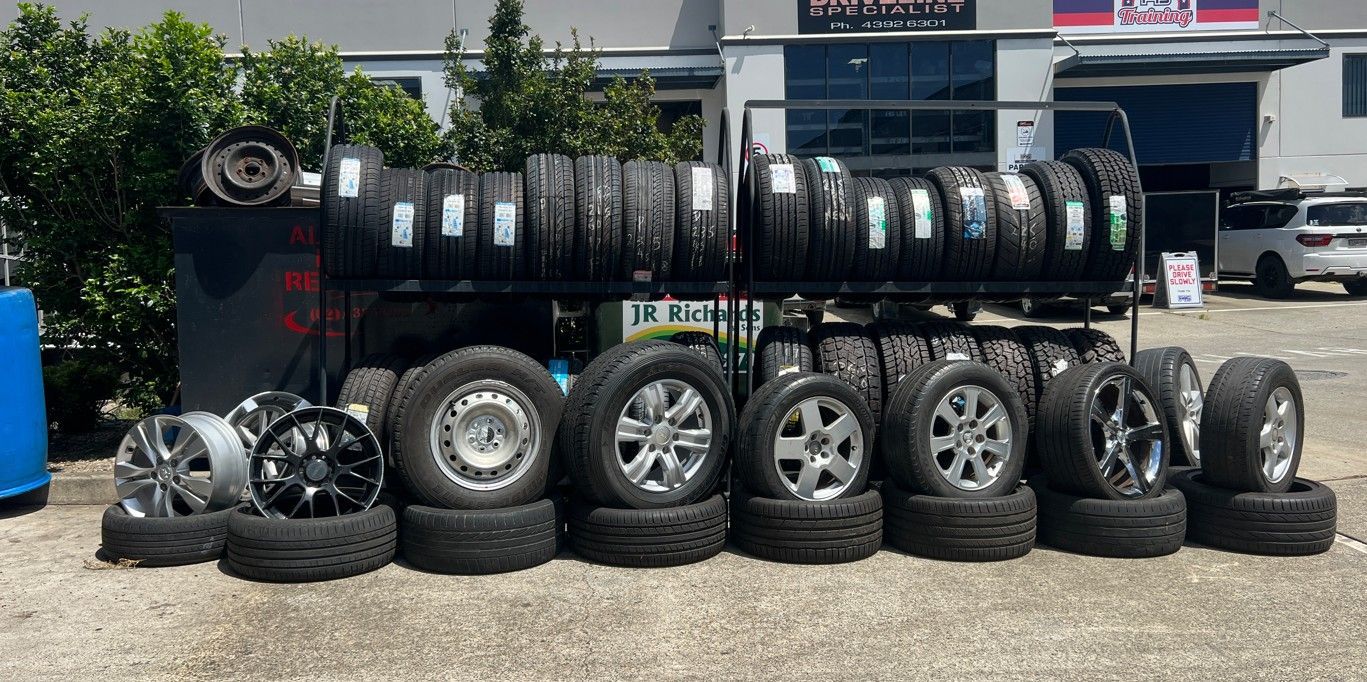
Choosing tyres on the Central Coast? Learn about tyre sizes, all-season and all-terrain options, load ratings, value and when replacement is due.


